Why Gum Health Quietly Changes After 40 — And What People Are Doing Differently Now
Most people don't think much about their gums until something feels off — a twinge when eating something cold, a little more bleeding when flossing, breath that doesn't clear up the way it used to. Here's what's actually changing, and what a growing number of people are doing differently about it.
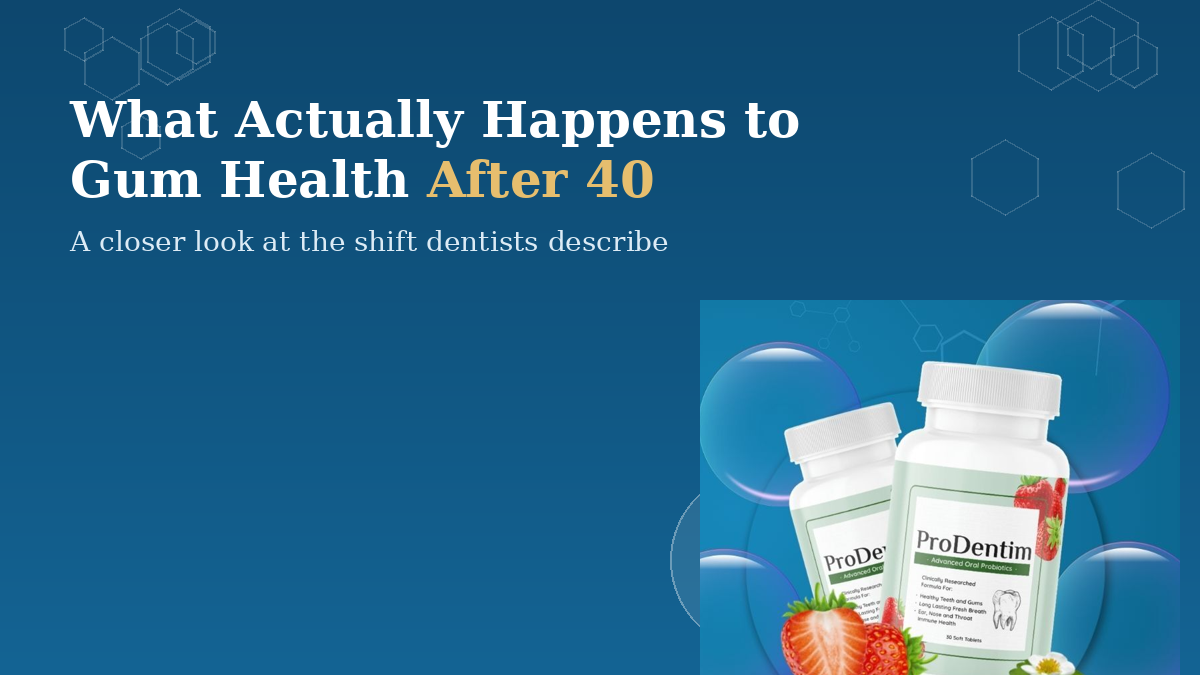
Your mouth hosts a dense, shifting community of bacteria. As we age, that balance can shift, saliva production can slow, and the tissue around teeth becomes more sensitive to daily wear — a normal part of getting older, like joints or eyesight changing. Normal doesn't mean it should be ignored, though.
"The mouth isn't separate from the rest of the body — it's usually the first place daily habits show up."
Dentists have long pointed out that oral health doesn't sit in isolation. It's connected to hydration, diet, stress, and how consistently people care for the mouth's bacterial balance — not just brushing harder, but supporting it from the inside as well as the outside.
Three shifts worth paying attention to
- 01 Saliva does more than you'd think.It buffers acid and helps clear food particles — production naturally slows with age, which changes the mouth's environment.
- 02 Bacterial balance shifts gradually.The mix of bacteria in the mouth isn't static — small imbalances tend to build up quietly over years.
- 03 Daily habits matter more than intensity.Consistency — brushing, flossing, and supporting oral bacteria daily — tends to matter more than any single product.
This is why a lot of the recent interest in oral health hasn't been about new toothbrush technology, but about probiotic-based approaches — supporting the mouth's bacterial balance directly, rather than only cleaning around it. It's a different angle than most people grew up with, and it's part of why we wanted to dig into it here.
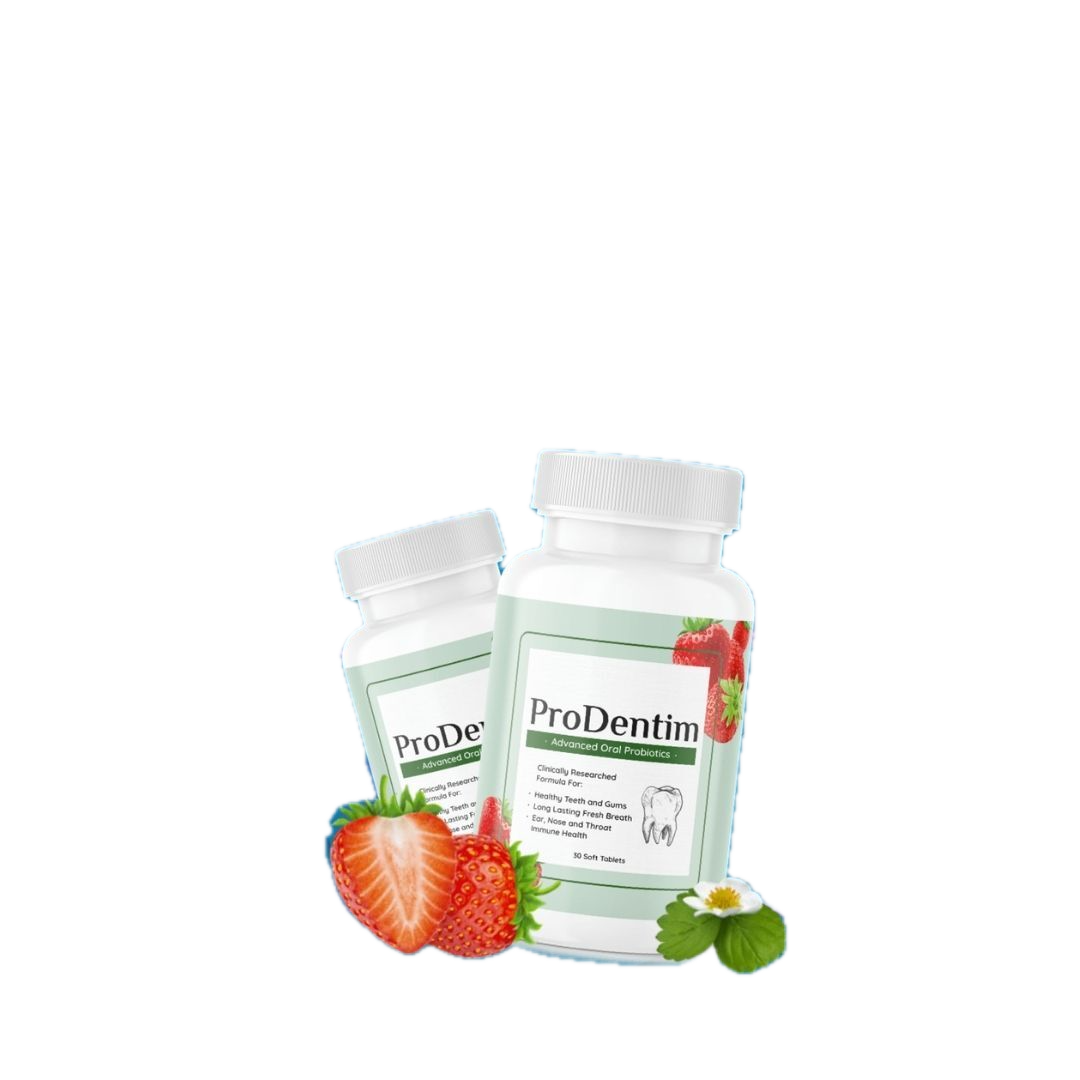
A probiotic approach to daily oral care
Among the oral-probiotic options we looked into, ProDentim stood out for being built specifically around supporting the mouth's bacterial balance — fitting into a daily routine alongside brushing and flossing, not replacing them. If the pattern above sounds familiar, this is the approach we'd suggest reading more about first.
Check Today's Details →A few things readers ask
No. Every source we reviewed frames probiotic support as something that works alongside daily brushing and flossing — not instead of it.
Oral bacterial balance is relevant at any age, but the shifts described above tend to become more noticeable from your 40s onward, which is why that's the focus of this piece.
The link above takes you to the official product page, where you can review ingredients, guarantee terms, and pricing directly before deciding anything.
This article is intended for general educational purposes and isn't a substitute for advice from a licensed dentist or physician. If you have ongoing gum pain, bleeding, or other symptoms, please consult a dental professional.